What a 10kW inverter kit does during outages
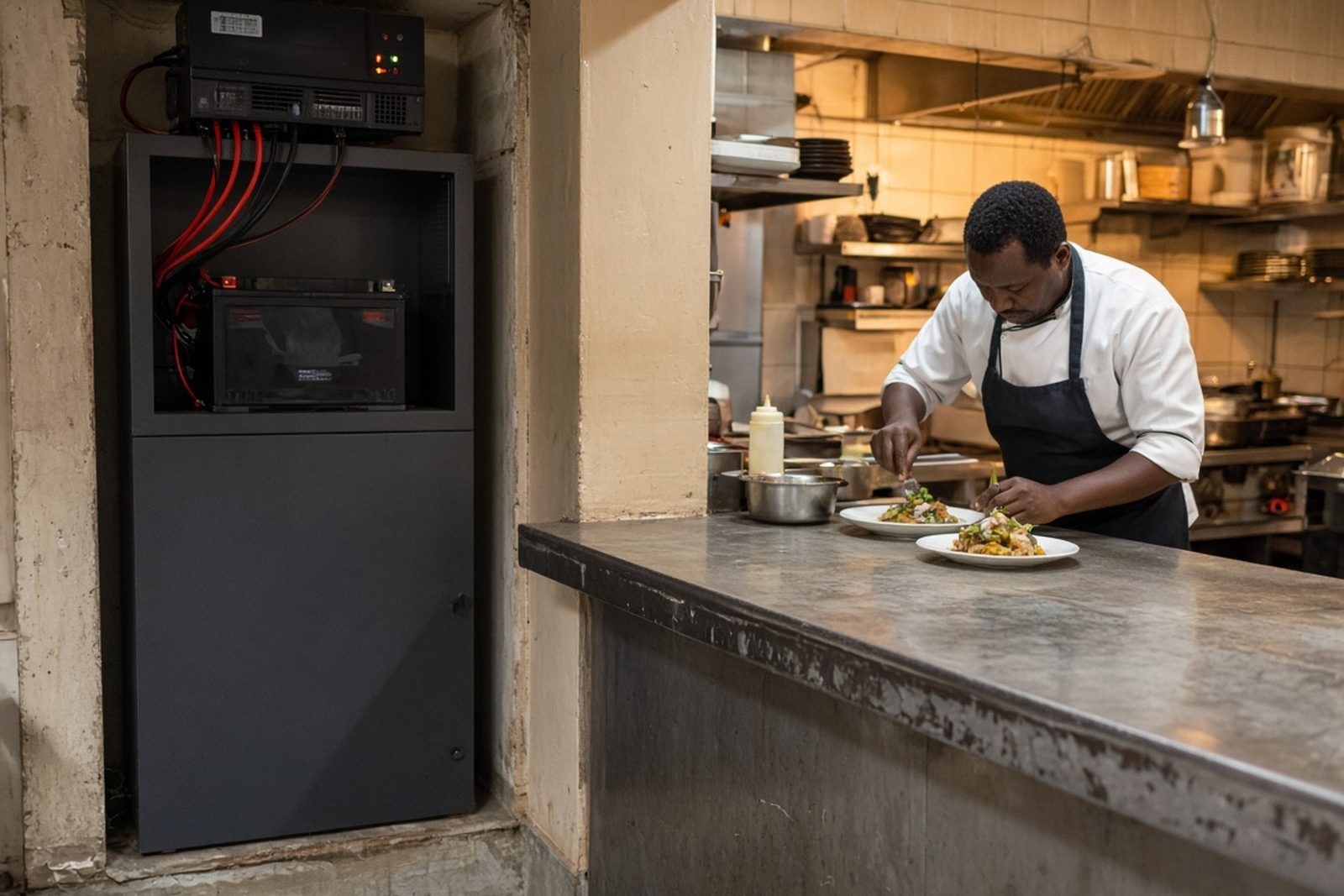
A 10kW inverter kit converts stored battery power into usable AC power for essential loads when the grid goes off. In practical terms, it can support more appliances than a small backup system, so you can keep critical circuits running for work, lighting, internet, security, refrigeration and selected kitchen loads. The exact result depends on how the system is sized and how much power your loads draw at the same time.
This size is often chosen when one inverter is meant to carry several rooms, a home office, a shop floor, or a business with computers and network gear. It is not a promise that every appliance can run together. High draw items such as ovens, geysers, kettles and heaters need to be checked carefully before connection. For coastal areas and humid spaces, ventilation and tidy cable routing matter as much as the inverter rating.
Where this kit suits best
This type of kit suits properties that need more than basic load-shedding cover. In Randburg, Sandton, Fourways, Midrand and Roodepoort it is often used in larger family homes with multiple fridges, gate motors and office equipment. In Pretoria, Centurion and Johannesburg it can also work well for salons, medical consulting rooms, small workshops and retail spaces that need controlled backup for selected circuits.
It is also a sensible option where a site wants to start with essential loads and expand later. If the property has single-phase supply, we check the load profile carefully. If the site has a three-phase supply or higher starting loads, the choice of inverter, battery bank and changeover arrangement needs proper planning before any purchase.
- Homes with multiple essential circuits
- Small businesses that cannot afford long interruptions
- Sites needing battery expansion later
- Properties that want cleaner backup for lights, data and security
Share what must stay on during an outage and the size of the property, and a backup planner will phone or message you.
Contact formTypical kit sizes and component choices
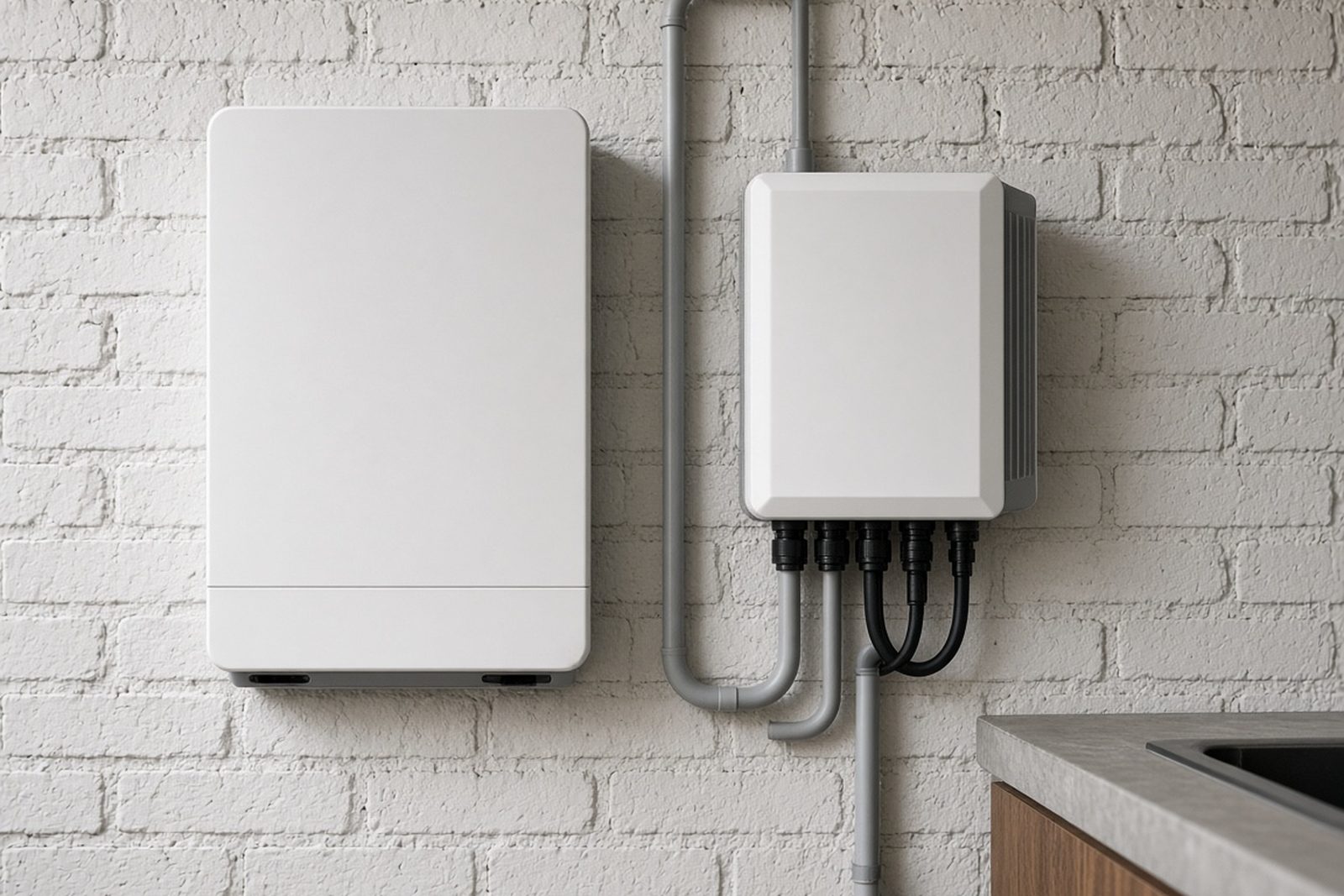
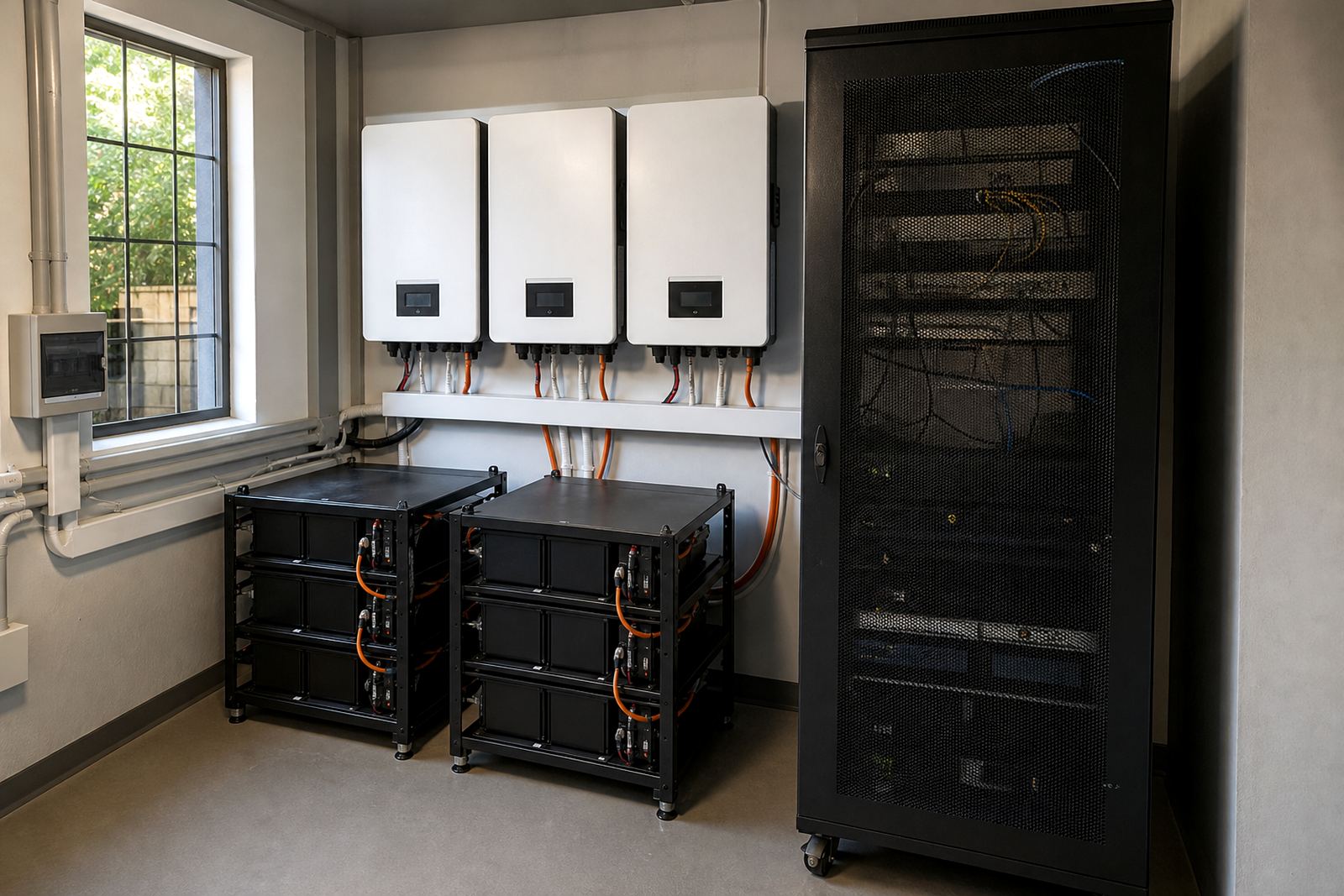
A 10kW kit is usually built from three main parts: the inverter, lithium batteries and the protection and changeover components around them. The battery bank can be built in different usable capacities, depending on how long you want the backup to last and what loads are connected. Many customers prefer lithium batteries because they charge faster, handle daily cycling better and take up less space than older battery types.
Depending on the site, the kit may be supplied as a single inverter with modular battery storage, or as a paired system with one or more batteries connected in parallel. Some systems are set up for essential load backup only, while others include monitoring so usage can be checked from a phone or local display. If the property is exposed to dust, heat or coastal air, enclosure choice and placement become part of the specification.
- 10kW inverter capacity for medium to higher demand backup
- Lithium battery bank sized to the runtime required
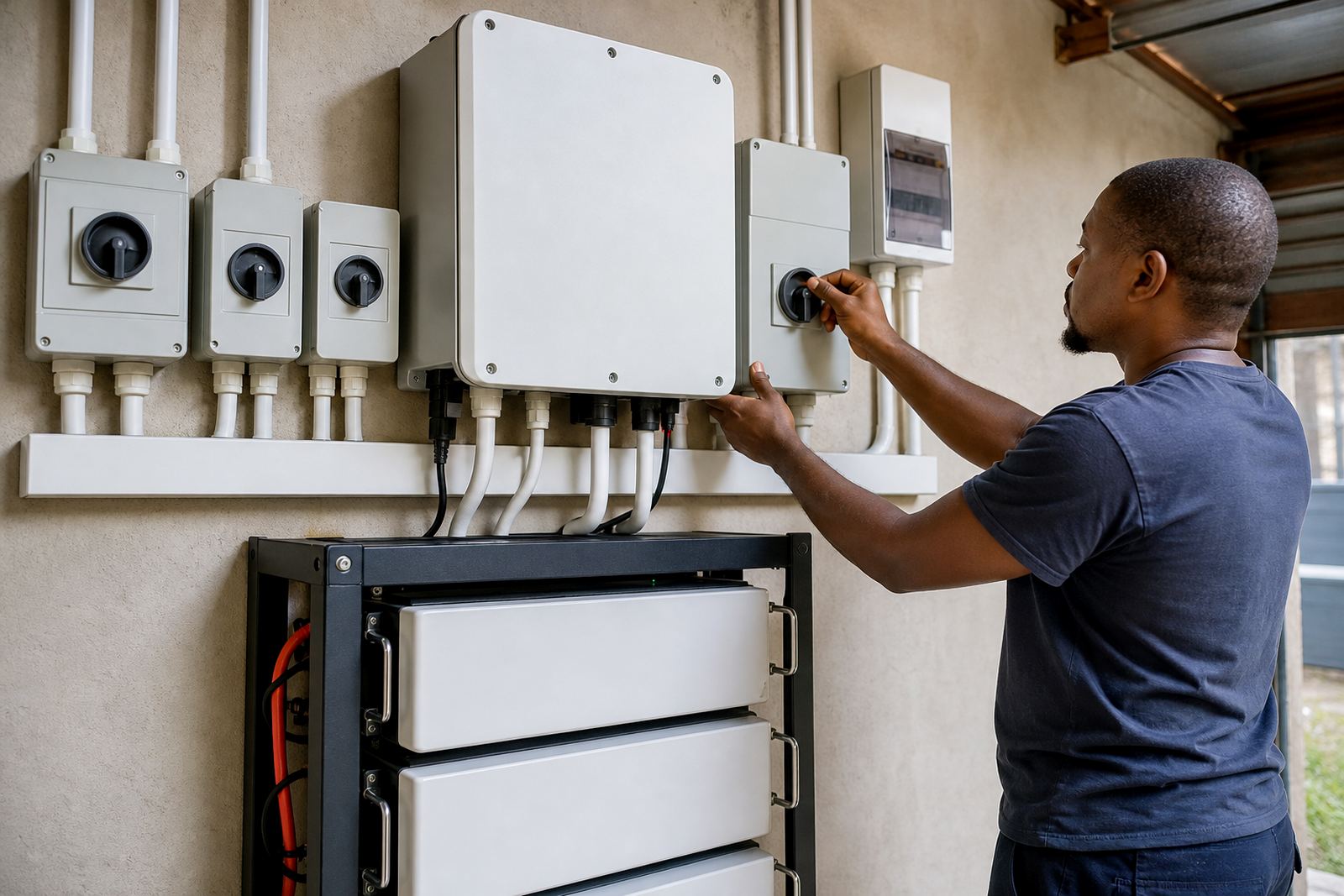
- Changeover and protection equipment for safe switching
- Optional monitoring and load management setup
Installation, compliance and grid connection rules
Installation must be done by a registered electrician. Once the work is complete, the system must be tested and issued with a certificate of compliance where required. This is especially important when the inverter feeds fixed wiring, essential circuits or a sub-board. If the system is grid-tied or capable of export, municipal registration is required before or after installation according to local rules and the supply authority’s process.
We always recommend a proper site assessment before the order is confirmed. The electrician needs to check the supply size, existing board condition, earthing, cable routes, and whether the proposed backup will support the intended circuits without nuisance tripping. In many homes and businesses, the right answer is not just a bigger inverter, but a better balance between load, battery size and circuit selection. A rushed install can cause problems later, especially where the property has old wiring or shared circuits.
How to size the system for your loads
The first step is to work out which loads you want to keep running. Write down the essentials first, then note what must stay off during load-shedding. A fridge, lights, internet, alarm, gate motor, TV and office equipment all add up, and startup surges matter. A 10kW inverter gives more headroom than a small unit, but the battery bank still decides how long the backup lasts. That is why two sites with the same inverter can perform very differently.
When ordering, check the following details so the kit is matched properly:
- Whether the site is single-phase or three-phase
- Which circuits must stay powered during outages
- How long you need backup for, in hours not guesses
- Whether you want battery expansion later
- Where the inverter and batteries will be mounted
- Whether monitoring or load control is needed
If the right size is not clear yet, book a site assessment in Gauteng before choosing a system. It helps avoid undersizing, which leaves you short, and oversizing, which can add unnecessary cost without improving day-to-day use.
Care, servicing and long-term use
Battery systems work best when they are installed neatly, kept within their temperature range and serviced on a routine basis. Lithium batteries do not like poor ventilation, water ingress or loose terminations. In homes near the coast, corrosion checks are worth doing. In business environments, dust buildup around the enclosure and cabling can also cause trouble over time.
Routine servicing normally includes inspection of cable tightness, battery health, inverter status, changeover function and any fault logs or warning lights. If the system has monitoring, those readings help spot a declining battery or an overload before it becomes an outage. If the site keeps changing, for example adding computers, a second fridge or extra lighting, the system should be reviewed again. A backup system that was right last year may no longer match the load today, especially in busy households and growing businesses.
What to expect when you order through PowerCut
Our team works with homes and businesses across Gauteng from the Randburg base, including Johannesburg, Pretoria, Centurion, Midrand, Roodepoort, Sandton and Fourways. Orders normally start with a brief enquiry and then a practical check of the site, the load list and the installation method. From there, the system can be matched to the property instead of being guessed from a brochure description.
We can assist with site assessments, backup sizing, inverter installation, battery installation, essential circuit wiring, changeover solutions, system commissioning, compliance support, monitoring setup, battery expansions, fault checks and routine servicing. The aim is to supply a kit that suits the property now and leaves room for sensible future changes. If the setup will be tied into municipal supply, we also keep the registration and compliance side in view so the installation is handled properly from the start.
System at a glance
| Product type | 10kW inverter kit for load-shedding backup |
|---|---|
| Primary use | Essential backup for homes and businesses |
| Typical battery type | Lithium battery storage |
| System setup | Single inverter with matched battery bank and protection gear |
| Installation requirement | Registered electrician and certificate of compliance |
| Connection note | Municipal registration required for grid-tied systems |